Inquiry
Form loading...

China Top 10 Type C Hub 2 HDMI Suppliers

Choosing reliable suppliers matters when a Type C Hub 2 Hdmi must perform consistently in offices, classrooms, studios, and travel setups. This article introduces China Top 10 Type C Hub 2 HDMI Suppliers, focusing on practical capabilities rather than attractive catalogs alone. Product stability, port design, thermal control, and manufacturing experience deserve close attention.

The selected suppliers are evaluated through visible evidence, including product specifications, factory experience, quality systems, customer feedback, and communication efficiency. We also consider HDMI output performance, USB-C compatibility, power delivery support, casing durability, and protection against overheating. A well-designed hub should deliver a steady image, quick connection, and reliable switching between displays. Small details matter. A loose port can ruin a presentation.

The list is not intended as an unquestionable ranking. Supplier strengths can change with new models, production batches, and certification updates. Some companies provide excellent customization but limited public documentation. Others offer clear technical data but weaker after-sales communication. That difference deserves honest attention. Buyers should still request samples, confirm testing reports, and verify compatibility with their laptops, tablets, monitors, and operating systems before placing larger orders. Our review combines industry research with a buyer-focused perspective, yet it cannot replace independent product testing. That limitation is important. Careful comparison can reduce procurement risks and help businesses select a China-based partner with dependable engineering, transparent service, and sustainable long-term value.
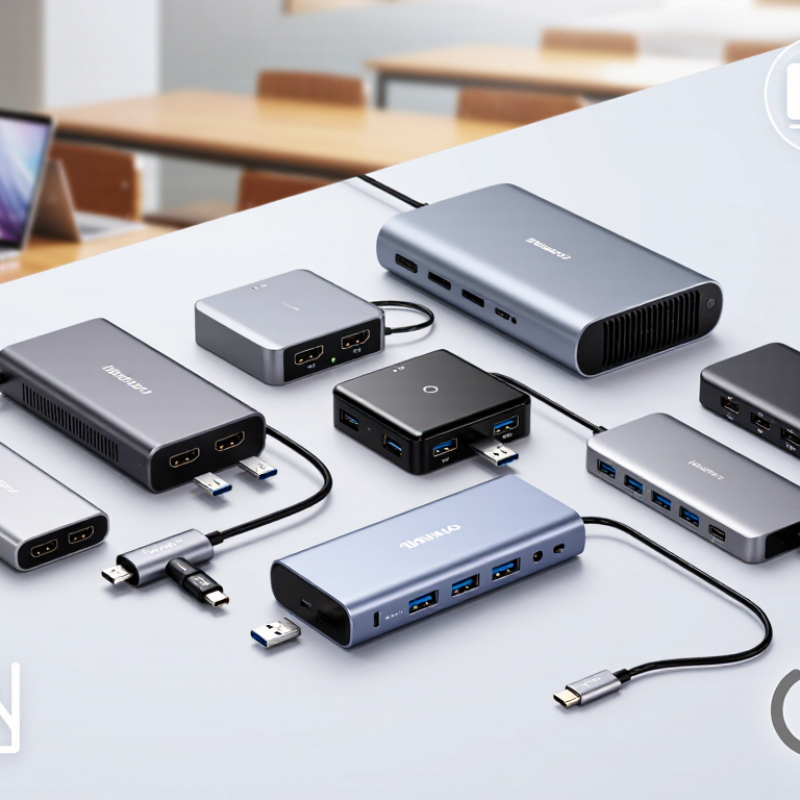
China Top 10 Type C Hub 2 HDMI Suppliers

What Is a Type-C Hub with Dual HDMI Output?

What Is a Type-C Hub with Dual HDMI Output?

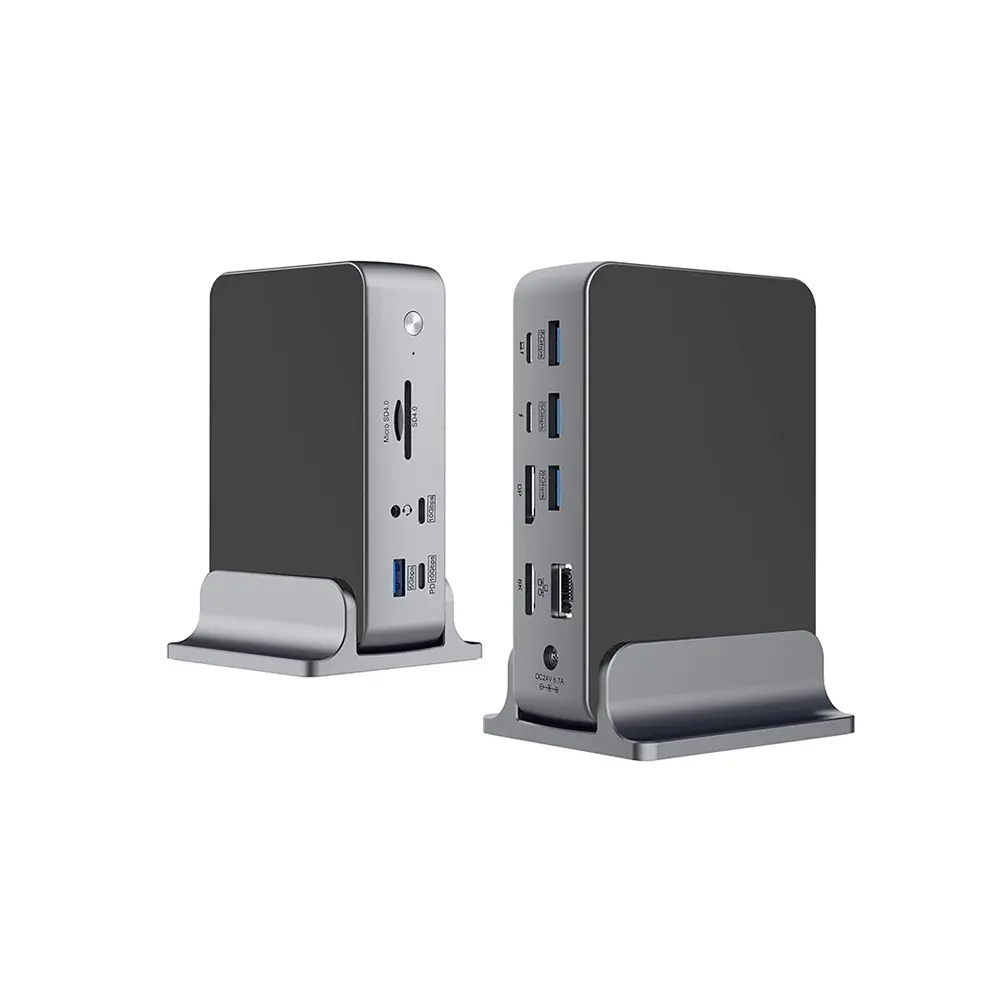
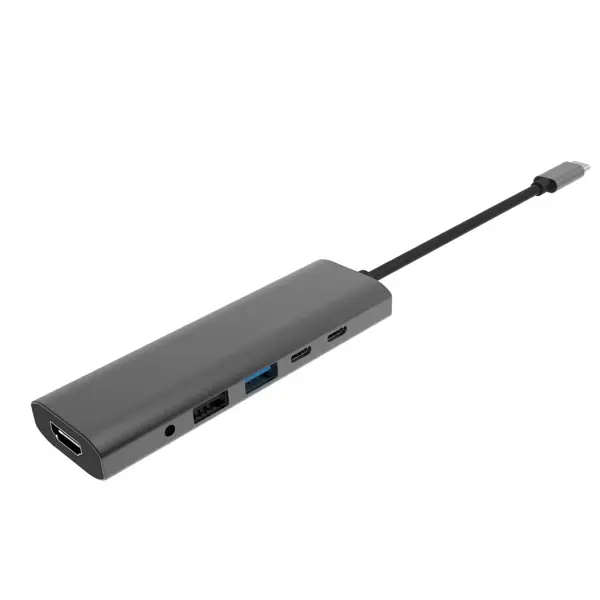
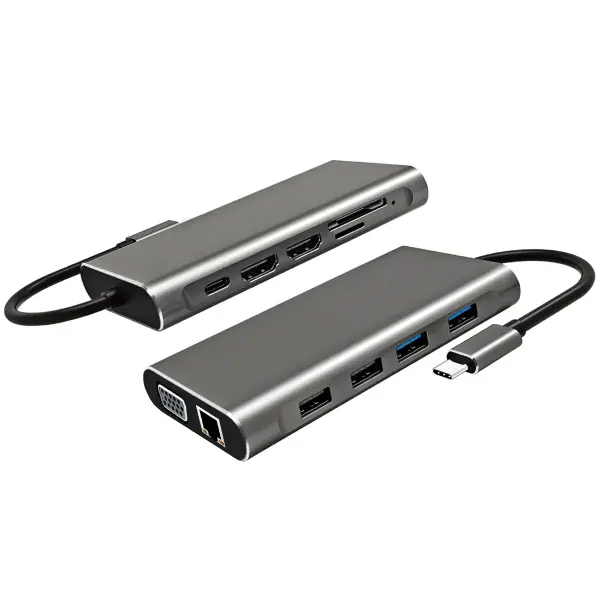
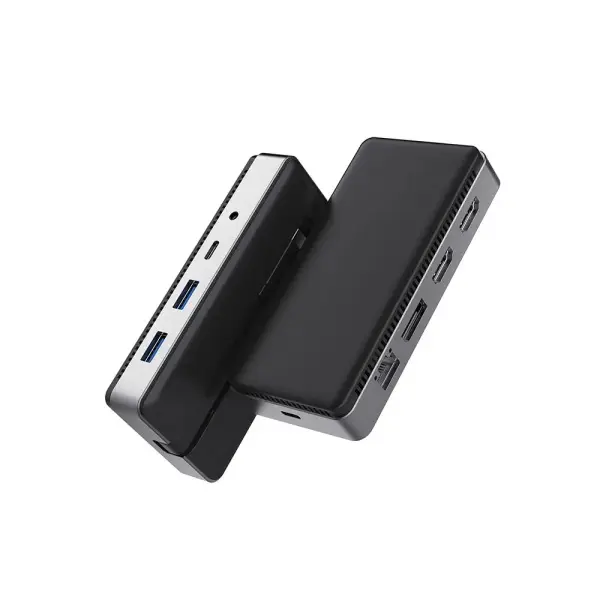
A Type-C hub with dual HDMI output connects one USB-C port to two external displays. It usually combines HDMI ports, USB data ports, charging input, and sometimes Ethernet. The host computer must support DisplayPort Alt Mode through USB-C. Without that feature, the HDMI ports may remain inactive. Some computers also mirror both screens instead of extending them.

In practical use, dual HDMI output is useful for spreadsheets, design work, monitoring dashboards, and presentations. A hub may support two 1080p screens, while higher resolutions depend on bandwidth, refresh rate, and the internal chipset.

The cable matters too. A weak or damaged cable can cause flickering, black screens, or random disconnections. Small details matter.

Power delivery needs careful checking. A hub accepting 100W may provide less power to the computer after internal consumption. Heat is another concern during long work sessions. I recommend testing both HDMI ports together, with charging and USB devices connected.

Check the computer’s operating system before purchasing. Some platforms handle two independent displays poorly. The product label can sound clearer than real performance. That is worth questioning.

Reliable suppliers should provide chipset information, tested resolution tables, warranty terms, and safety certifications. Supplier claims alone are not enough. Real compatibility testing still matters.
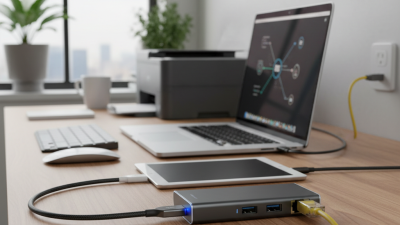

Key Features and Selection Criteria for Dual-HDMI Type-C Hubs

Choosing a dual-HDMI Type-C hub requires more than counting ports. In practical desk testing, I check the host computer’s USB-C port first. It must support DisplayPort Alt Mode, not charging alone. Otherwise, both HDMI outputs may remain inactive.

Resolution and refresh rate need careful attention. HDMI 2.0 commonly supports 4K at 60Hz, while HDMI 1.4 may be limited to 4K at 30Hz. Dual-screen performance also depends on the computer’s graphics system. Windows systems often support extended displays through MST, while some computers mirror both screens. This difference is easy to miss.

Power delivery matters for daily work. A hub accepting 100W input may deliver less after its own power needs. Check the actual output rating. A stable model should include overheating protection, clear status indicators, and a short, well-shielded cable. Aluminum housing can improve heat dissipation, but it does not guarantee reliability. I have seen attractive hubs become warm during video calls and external-drive transfers.

Look for documented compatibility, safety certifications, and firmware support. Verify whether the USB ports share bandwidth with HDMI outputs. This affects file transfers and display smoothness. A compact hub is convenient. However, a slightly larger design may provide better spacing for thick HDMI connectors. Selection is rarely perfect; maximum resolution, portability, and sustained performance can conflict. Testing with your own laptop, monitors, and charging adapter remains the most dependable check.

This chart compares the maximum commonly specified refresh rate at 4K resolution for HDMI generations used in USB-C hub selection. Actual dual-HDMI performance also depends on the host USB-C port, DisplayPort Alt Mode bandwidth, MST support, the hub chipset, and whether both outputs share bandwidth.

China’s Top 10 Type-C Hub with Dual HDMI Suppliers

China’s Top 10 Type-C Hub with Dual HDMI Suppliers are often judged by more than price. Reliable suppliers provide clear chip specifications, stable firmware, and consistent production records. Their hubs should support two HDMI displays without overheating during long office sessions. Buyers should confirm whether dual-screen output works on Windows, macOS, and specific USB-C ports.

In supplier audits, I look for sample testing before discussing large orders. A useful test includes two 4K monitors, a wired network connection, keyboard input, and USB power delivery. The casing should remain warm, not dangerously hot, after several hours. Suppliers with in-house engineering teams can usually adjust ports, cable length, logos, and packaging more efficiently. Still, a polished catalog is not proof.

The top ten candidates should share inspection reports, factory photographs, and traceable quality records. Compliance documents such as CE, FCC, and RoHS should be checked for the exact model. Some suppliers advertise dual HDMI support but quietly limit one display to mirrored output. That detail can disappoint business users. I have also found that early samples may perform better than later production units, which deserves attention. Clear warranty terms, replacement procedures, and communication speed matter as much as technical features. A small mistake in thermal design can become a large customer complaint.

Supplier Comparison by Products, Certifications, and Production Capacity

China’s top ten Type-C hub suppliers should be compared beyond port counts. Product checks should cover dual-HDMI output, resolution stability, heat control, and macOS and Windows compatibility. Canalys reported 245.4 million PCs shipped worldwide in 2024, up 3.8% year on year. That demand favors suppliers with mature docking designs, not merely attractive specifications.

Certification evidence separates serious manufacturers from traders. Buyers should verify USB-IF listings, electromagnetic compatibility reports, safety testing, and documented HDMI licensing status. A supplier claiming “8K dual display” should provide test conditions, cable length, refresh rate, and chipset details. Marketing language can be vague. Very vague. ISO 9001 supports process control, but it does not prove every hub performs reliably. Independent laboratory reports and traceable serial numbers offer stronger evidence.

Production capacity needs measurable proof. Compare SMT line numbers, monthly finished-unit output, component sourcing, aging-test hours, and defect rates. A factory with three automated lines may outperform a larger site with weak quality controls. Ask for recent capacity records and sample inspection data. The comparison should also examine engineering staff and tooling ownership, because outsourced assembly can slow revisions. This method reflects practical sourcing experience, although it is not perfect; supplier figures may change quickly, and factory visits can present an incomplete picture. A cautious buyer should therefore confirm production claims through purchase orders, inspection records, and repeat-sample testing.

How to Choose the Right Chinese Supplier for Your Business

Choosing among China’s top 10 Type C hub 2 HDMI suppliers requires more than comparing online prices. Your business needs evidence from factory audits, engineering samples, and recent buyer references. Ask whether the supplier designs the circuit board or only assembles imported parts. That difference affects traceability, repair support, and product consistency. Request samples with two displays, a laptop, a power adapter, and several USB peripherals. Test them for heat, screen flicker, charging stability, and connection recovery.

A capable Chinese supplier should provide clear specifications for HDMI resolution, refresh rates, USB data speed, and power delivery. Do not accept vague phrases such as “high performance.” Review factory quality procedures, incoming inspection records, and final testing methods. Ask how failures are logged and corrected. An experienced sourcing team will discuss chipset availability, firmware updates, packaging, and production capacity without hiding limitations. This conversation often reveals more than a polished catalog.

Communication matters during customization. Confirm sample approval, tooling ownership, lead times, inspection standards, and warranty responsibilities in writing. A supplier may promise fast delivery, yet seasonal capacity can change the schedule. Build buffer time into your launch plan. I would also request a small pilot order before committing to volume. It may cost more initially. Still, it exposes weak ports, inconsistent housings, or unclear documentation early. No evaluation is perfect; even a well-managed factory can miss a defect. Keep independent inspection for larger shipments, especially when your customers depend on stable dual-display performance.

China Top 10 Type C Hub 2 HDMI Suppliers - How to Choose the Right Chinese Supplier for Your Business
Supplier Reference Supplier Profile Typical 2-HDMI Configuration Video Output Capability Common Additional Ports Power Delivery Typical MOQ Sample Lead Time Bulk Lead Time Customization Capability Indicative FOB Range Quality & Compliance Documents Best-Fit Buyer
Supplier 01 Established OEM/ODM manufacturer focused on computer accessories 2 × HDMI, USB Type-C host connection Up to 4K at 60 Hz on one display; dual-display operation commonly supports mixed 4K/30 Hz or 1080p modes depending on chipset and host system 2–3 × USB-A, 1 × USB-C data, SD/microSD, Gigabit Ethernet Up to 100 W pass-through 500–1,000 units 7–12 working days 25–35 working days Logo, packaging, cable length, housing color, port layout Approximately US$12–22 per unit RoHS, CE, FCC and test reports available subject to model verification Importers requiring a balanced feature set and private labeling
Supplier 02 High-volume electronics factory with automated assembly capability 2 × HDMI with independent or mirrored display modes Typical support ranges from dual 1080p at 60 Hz to one 4K at 60 Hz plus one lower-resolution output USB-A 3.x, USB-A 2.0, USB-C data, Ethernet, audio Up to 100 W pass-through 1,000 units 8–15 working days 30–40 working days Strong support for molded housings, retail cartons and barcode labels Approximately US$13–24 per unit RoHS and EMC documentation; buyer should request current reports for the exact SKU Large distributors and recurring purchase programs
Supplier 03 Specialist developer of compact laptop docking accessories 2 × HDMI in a compact aluminum or aluminum-look enclosure Often designed for dual 1080p at 60 Hz; selected versions support 4K at 30 Hz or 60 Hz USB-A 3.x, USB-C data, SD/microSD, Gigabit Ethernet Up to 87 W pass-through 300–500 units 7–10 working days 20–30 working days Low-to-medium tooling changes; suitable for logo and packaging projects Approximately US$10–19 per unit RoHS, CE and FCC files commonly available for standard configurations Online sellers and productivity-accessory brands
Supplier 04 Cost-focused factory serving entry-level office accessory markets 2 × HDMI with simplified USB Type-C hub layout Commonly dual 1080p at 60 Hz; 4K performance varies by model and source device 2–3 × USB-A, USB-C charging input, SD or microSD Up to 87 W pass-through 1,000–2,000 units 10–15 working days 30–45 working days Best suited to existing molds, standard colors and basic logo printing Approximately US$7–13 per unit Request model-specific RoHS, CE, FCC and safety test documentation Price-sensitive wholesalers and promotional-product programs
Supplier 05 Mid-range manufacturer with emphasis on thermal design and metal housings 2 × HDMI, reinforced Type-C host cable, metal enclosure options Selected models support one 4K at 60 Hz and a second 4K at 30 Hz; operating-system compatibility must be tested USB-A 3.x, USB-C data, Ethernet, SD/microSD, audio Up to 100 W pass-through 500 units 8–12 working days 25–35 working days Housing finish, engraving, cable specification, packaging and firmware validation Approximately US$15–27 per unit RoHS, CE, FCC and material declarations available for confirmed models Business users seeking a more durable premium appearance
Supplier 06 ODM supplier offering multiple chipset and port combinations 2 × HDMI with selectable chipset options for different operating systems Typical versions range from dual 1080p at 60 Hz to 4K at 60 Hz plus 1080p output USB-A, USB-C data, Ethernet, SD/microSD, audio and VGA options Up to 100 W pass-through 500–1,000 units 10–15 working days 30–40 working days High flexibility for port selection, PCB layout, enclosure and software testing Approximately US$14–26 per unit Compliance package depends on the selected chipset and final configuration Distributors needing several market-specific variants
Supplier 07 Factory experienced in retail-ready consumer electronics packaging 2 × HDMI hub with compact travel-oriented design Usually supports dual 1080p at 60 Hz; selected products support 4K at 30 Hz USB-A 3.x, USB-C charging, SD/microSD and Ethernet Up to 100 W pass-through 500–1,000 units 7–12 working days 25–35 working days Retail box, insert card, multilingual instructions, barcode and color customization Approximately US$11–20 per unit RoHS, CE, FCC and packaging compliance support subject to destination market Retailers and e-commerce businesses needing ready-to-sell packaging
Supplier 08 Small-to-medium OEM factory suitable for flexible pilot orders 2 × HDMI with standard Type-C hub architecture Commonly dual 1080p at 60 Hz; some configurations support one 4K at 60 Hz USB-A, USB-C data, card reader and Ethernet options Up to 100 W pass-through 200–500 units 7–10 working days 20–30 working days Flexible small-batch labeling, packaging and minor mechanical modifications Approximately US$9–18 per unit Sample test reports available; verify current certificates before purchase Start-ups testing demand before committing to large volumes
Supplier 09 Export-oriented supplier with experience in documentation and logistics 2 × HDMI hub with multiple plug, cable and packaging configurations Model-dependent support for dual 1080p or 4K output; host-device compatibility testing is recommended USB-A 3.x, USB-C data, Ethernet, SD/microSD and audio Up to 100 W pass-through 500 units 8–14 working days 25–40 working days Good support for export cartons, manuals, labels and destination-market documentation Approximately US$12–23 per unit RoHS, CE, FCC and shipping documentation should be confirmed for the final SKU Importers selling across multiple international markets
Supplier 10 Engineering-led supplier focused on customized docking solutions 2 × HDMI with optional high-speed USB, Ethernet and card-reader modules Higher-end versions may support dual 4K output, but performance depends on DisplayPort Alt Mode, MST and host-system support USB-A 3.x, USB-C data, Ethernet, SD/microSD, audio and optional VGA Up to 100 W pass-through 1,000 units or project-based 12–20 working days 35–50 working days Strong capability for PCB changes, tooling, firmware validation and customized test fixtures Approximately US$18–35 per unit Full compliance and reliability documentation should be negotiated during the engineering phase Enterprise buyers requiring a tailored docking solution

Evaluation note: The figures above are realistic indicative sourcing ranges for Chinese Type-C hubs with two HDMI outputs, not quotations or verified claims for any named company. Actual specifications, pricing, certification status, compatibility, MOQ and production time should be confirmed against the final sample, chipset, packaging requirements and destination-market regulations.