What is a heavy duty slurry pump and how does it work?
A heavy duty slurry pump is an essential machine used in various industries. These pumps are designed to handle abrasive, corrosive, and thick mixtures of solids and liquids. In mining, construction, and chemical sectors, their role is critical. They efficiently transport slurry, a mixture typically made up of water and solid particles.
Understanding how a heavy duty slurry pump works can unveil its significance. The pump operates by creating suction, drawing in the slurry, and then pushing it through pipes to its destination. The durable materials used in the pump allow it to withstand harsh conditions. However, not all pumps work perfectly in every situation. Sometimes, blockages occur, or the pump may wear down faster than expected. Regular maintenance is essential to ensure optimal performance.
In this exploration, we will dive deeper into the features and benefits of heavy duty slurry pumps. We will discuss their applications and factors affecting their efficiency. It is vital to consider the specific needs of a project when selecting the right pump. Understanding these elements can lead to better choices and enhanced productivity.

What Is a Heavy Duty Slurry Pump?
A heavy duty slurry pump is a robust machine designed to transport abrasive liquid mixtures. These mixtures, known as slurries, typically consist of solids suspended in a liquid. Commonly used in mining, construction, and wastewater treatment, these pumps face challenging conditions daily.
The construction of a heavy duty slurry pump is unique. It features a sturdy casing and heavy wear parts. These components are essential for enduring harsh environments. The pump uses a rotating impeller to generate high pressure. This action pushes the slurry through a delivery system. Seals and bearings in the pump prevent leakage and wear. However, these parts can sometimes fail, leading to maintenance challenges.
Understanding how the pump works can highlight potential issues. Factors like viscosity and solid concentration can affect performance. Operators must ensure the pump is suitable for the specific slurry type. Regular inspections help identify wear early, but not all issues are apparent. Over time, even minor wear can lead to significant failures. Recognizing and addressing these problems proactively can enhance reliability in the long run.
Key Components of Heavy Duty Slurry Pumps
Heavy duty slurry pumps are essential in various industries, especially in mining and construction. These pumps are designed to transport slurries, which are mixtures of solids and liquids. Their ability to handle abrasive materials is critical. The key components that make these pumps effective include the impeller, casing, and shaft.
The impeller is the heart of the pump. It creates the necessary pressure to move the slurry. This component must be made from hard materials to resist wear. In fact, studies show that the right impeller design can improve efficiency by up to 25%. The casing holds the slurry and supports the impeller. A well-designed casing minimizes turbulence and helps maintain flow stability. Additionally, the shaft plays a vital role in connecting the motor to the impeller. Its integrity is crucial for maintaining pump performance.
However, while heavy duty slurry pumps are robust, they are not without flaws. Some designs may struggle with specific slurries, leading to blockages. According to industry reports, nearly 30% of downtime in mining operations stems from pump issues. Regular maintenance is vital, yet it can be overlooked due to operational pressures. The challenge remains in balancing efficiency and reliability. Properly addressing these components and their upkeep can significantly enhance the durability of slurry pumps.
Performance of Heavy Duty Slurry Pumps by Flow Rate
This bar chart illustrates the efficiency of heavy duty slurry pumps at various flow rates, demonstrating how efficiency improves as the flow rate increases.
Understanding the Mechanism of Slurry Pumps
A heavy-duty slurry pump is designed for tough tasks. It transports thick mixtures of solids and liquids, often in mining or construction. The pump uses a unique mechanism to handle abrasive materials effectively.
Inside a typical slurry pump, you find an impeller that spins rapidly. This spinning action creates a powerful vortex. It draws the slurry in and pushes it out with significant force. The pump casing is usually made from durable materials to resist wear and tear. However, even the best pumps can wear down over time. Regular maintenance is crucial but often overlooked.
A common issue arises when the pump clogs. This happens when the solid particles settle. Clearing this blockage can be a frustrating task. Sometimes, operators might skip maintenance schedules due to time constraints. This can lead to bigger problems later on. It's essential to reflect on these practices. Proper care extends a pump’s lifespan and enhances efficiency. Remember, investing time in upkeep pays off.
Applications of Heavy Duty Slurry Pumps in Industries
Heavy duty slurry pumps play a crucial role in various industries. They are designed to handle thick mixtures of solids and liquids, such as slurries. These pumps are common in mining, construction, and wastewater treatment. In mining, they transport materials like coal, ore, and tailings. Their robust design ensures durability under harsh conditions.
In construction, heavy duty slurry pumps are essential for transporting concrete mixtures or drilling fluids. They move the slurry from one point to another, often over long distances. This process can be challenging. Sometimes, the pumps may clog if the mixture is too thick. Regular maintenance becomes key to preventing breakdowns.
Wastewater treatment plants also rely on these pumps. They help in moving waste and sludge through various treatment processes. Efficient operation is vital, but not always easy to maintain. Operators must be vigilant for wear and tear. Even minor issues can disrupt entire systems. Adapting to these challenges requires constant attention and innovation.
Maintenance Tips for Heavy Duty Slurry Pumps
Maintenance is crucial for heavy duty slurry pumps. Regular checks can prevent major breakdowns. Ensure that all components are free from wear and tear. Valves, seals, and gaskets should be inspected often. Replace any worn parts immediately to avoid catastrophic failures.
Lubrication is another key area. Use the right grease or oil, as specified in the pump’s guidelines. Too much or too little can cause problems. Monitor pump vibration and noise levels. Abnormal sounds may indicate issues that need addressing.
Cleaning is essential too. Keep the pump and surrounding area free from debris. This reduces blockages and improves efficiency. Pay attention to the pump’s temperature. Overheating can signal poor performance or mechanical issues. Performing these simple maintenance tasks can extend the life of the pump considerably.

 USB C Docking & Hub
 USB C Docking Station
 USB C Hub-H Series
 USB C Hub-H Series High End
 USB C Hub-X Series High End
 HDMI Cable
 4K HDMI Cable
 8K HDMI Cable
 16K HDMI Cable
 AOC HDMI Cable
 HDMI Conversion Cable
 8K DisplayPort Cable
 16K DisplayPort Cable
 DisplayPort Conversion Cable
 XLR Cable
 VGA Cable
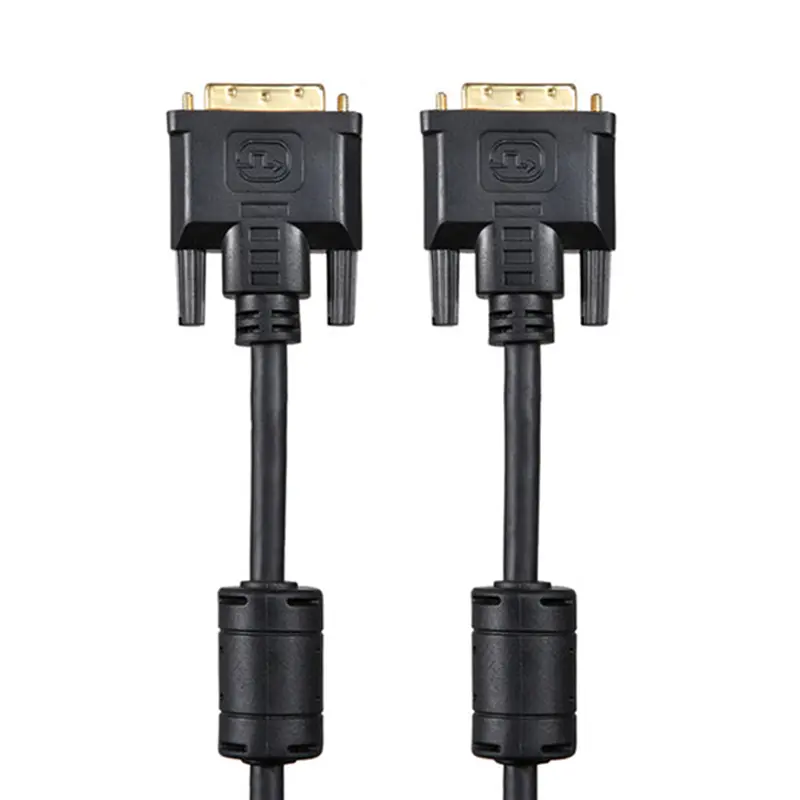 DVI Cable
 Type C To HDMI
 Type C to DP
 Type C to DVI
 Type C Adapter
 USB A to C Cable
 USB C to C Cable
 Micro USB Cable
 USB4 Cable